If you’ve ever stood in front of a jewellery counter wondering whether that gleaming necklace is the real deal or just a clever lookalike, you’re not alone. Shopping for silver in the UK can feel a bit like decoding a secret language, 925, EPNS, stainless steel, plated, sterling, fine and most of it is never properly explained.
So let’s clear it up, plain and simple. By the end of this guide, you’ll know exactly what you’re buying, what to avoid, and why a piece of hallmarked sterling silver is genuinely an heirloom in the making.
What Is Sterling Silver?
Sterling silver is 92.5% pure silver, mixed with a small amount of another metal (usually copper) to give it strength. Pure silver on its own is far too soft for everyday jewellery; it would bend, scratch and lose its shape within weeks. The added copper keeps it durable while still looking beautifully bright.
That magic ratio 92.5% silver, 7.5% other metals, is exactly where the famous 925 hallmark comes from.
What Does the 925 Hallmark Mean?
When you see “925” stamped on a piece of jewellery, it’s the manufacturer’s way of telling you: this is genuine sterling silver, certified to the British standard. In the UK, the Assay Office adds further marks to confirm:
- The purity (the 925 mark)
- The maker’s mark
- The assay office (Edinburgh, Birmingham, London or Sheffield)
- A date letter showing when it was tested
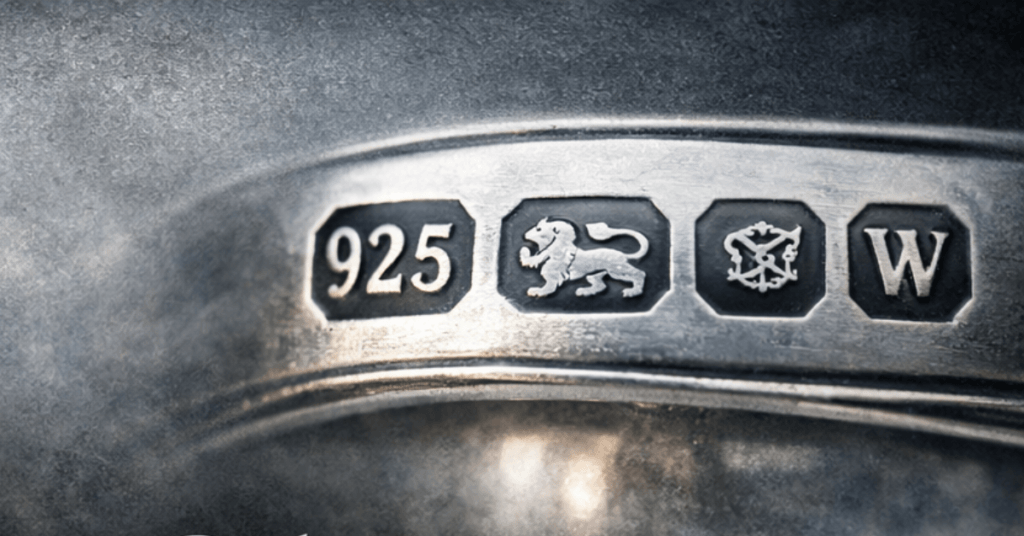
If a piece doesn’t carry these marks, it isn’t legally allowed to be called “sterling silver” in the UK above a certain weight (7.78 g). It’s one of the strongest consumer protections we have and a brilliant reason to always look for the hallmark before you buy.
What Is Silver Plated Jewellery?
Silver-plated jewellery is a base metal (often brass, copper, or nickel) with a very thin layer of silver coating bonded to the surface. The silver layer is usually measured in microns, sometimes as little as 0.5 microns, which is roughly 1/100th the thickness of a human hair.
It looks lovely on day one. The trouble starts on day 100.
Why Plated Silver Doesn’t Last
Because the silver layer is so thin, daily life, perfume, hand cream, sweat, washing up, slowly wears it away. Eventually, the base metal underneath shows through, leaving telltale dark or coppery patches. Once that happens, the piece can’t really be restored.
You may also see acronyms like:
- EPNS — Electroplated Nickel Silver (no actual silver in the base!)
- Silver tone — usually no silver at all, just a colour finish
- Silver-filled — a thicker layer than plated, but still not solid silver
None of these is solid sterling silver, and none will last the way a hallmarked 925 piece will.
Sterling Silver vs Silver Plated: Side by Side
| Feature | Sterling Silver (925) | Silver Plated |
|---|---|---|
| Silver content | 92.5% throughout | Thin surface layer only |
| Hallmarked | Yes (in the UK) | No |
| Lifespan | Generations | Months to a few years |
| Tarnish | Polishes back to shine | Wears away to base metal |
| Skin reactions | Rare (nickel-free) | Common as plating wears |
| Engraving | Deep, crisp, lasting | Fragile — risks cutting through |
| Resale/heirloom value | Yes | No |
Which One Is Right for You?
If you’re buying a gift to be treasured, an anniversary necklace, a christening bracelet, an engraved keepsake for someone you love, there’s really only one answer. Sterling silver is the only choice that will still look beautiful on the 25th anniversary, the 18th birthday, and the golden wedding.
Silver-plated has its place for fast-fashion, single-season pieces. But for personalised jewellery, where the engraving itself is the gift, plated simply isn’t built for the job. Engraving cuts through the thin silver surface, exposing the base metal almost immediately.
When We Use Hallmarked Sterling Silver
Every piece at Sheerman Silver over 7grams is fully hallmarked 925 sterling silver, tested and stamped by a UK Assay Office. We do this because we believe a personalised gift should outlive the moment it celebrates. When you engrave a name, a date or a message into one of our pieces, it’s cut into solid silver, not a coating that will fade.
Why pieces under 7.78 grams are not hallmarked
Silver items that weigh under 7 grams are legally exempt from hallmarking. Although we can hallmark them if a customer specifically requests it, doing so would make these small pieces unnecessarily expensive.
Hallmarking is a costly and time‑consuming process, and because we make each item to order, we would have to send one piece at a time to the Assay Office. That means:
- Additional hallmarking fees
- Extra postage and insurance costs
- Delays while the item travels to and from the Assay Office
All of this would significantly increase the final price of a small item, often costing more than the piece itself. By keeping items under 7 grams un‑hallmarked (as the law allows), we ensure they remain affordable, efficient to produce, and excellent value for our customers.
Ready to find a piece worth keeping forever? Browse our sterling silver collection at sheermansilver.co.uk →
Check the Description — Not Just the Heading
Before you click add to basket anywhere, CHECK.
Some sellers use headings like “925 Silver” or “Sterling Silver Necklace” to attract buyers, but the truth is often hidden further down the page. Always read the full description.
Look out for these terms:
- “925 Silver‑Plated” — this is not solid silver
- “Silver‑Filled / Bonded Silver” — still not solid sterling silver
- “Silver Tone / Silver Colour” — contains no silver at all
Genuine sterling silver will always be described as:
“Sterling Silver” or “Solid 925 Silver”
Sterling silver is no longer a cheap metal. At around £2 per gram at the time of writing, even a small 4‑gram piece of jewellery already contains £8 worth of silver before any craftsmanship, labour, packaging, or profit is added. So if you see a “sterling silver” ring being sold for £5, something isn’t adding up.
For reference, 4 grams is roughly the weight of a plain sterling silver ring. If a seller is offering a “925 silver ring” for less than the value of the raw metal, it’s almost certainly plated, filled, or simply mislabelled.
Below is an example of misleading advertising that buyers should watch out for.
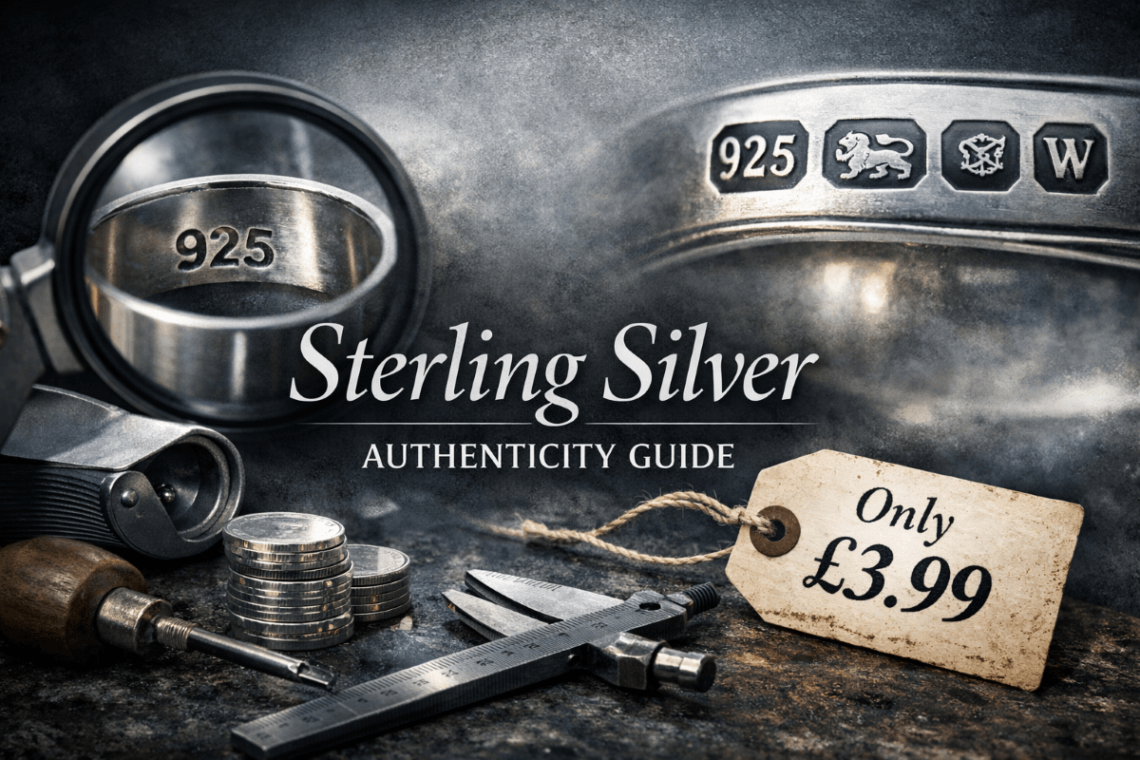
Sterling Silver Thumb Rings for Women S925
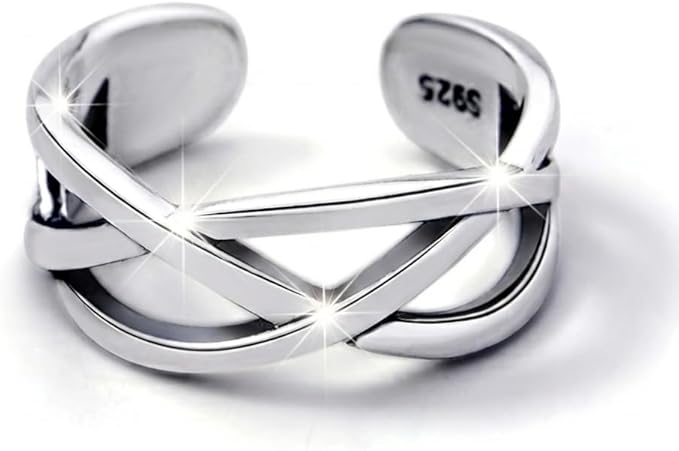
Price £3.99. This should raise alarm bells
So when I looked in the description, this is what I found:
【MATERIAL】: High polished finish and strict metal electroplating skills create super smooth and shiny surface, lightweight earrings, comfortable to wear for a long time.
I mean, come on, he didn’t even bother to check that the description matched what he was selling.
Summary:
A little knowledge goes a long way when buying silver. If you remember to check the description, look for a genuine 925 hallmark on larger pieces, and question prices that seem impossibly cheap, you’ll avoid the traps of plated or mislabelled jewellery. Real sterling silver has value, weight and longevity; it’s made to be worn, loved and passed on. Trust the hallmark, trust the description, and trust your instincts.